
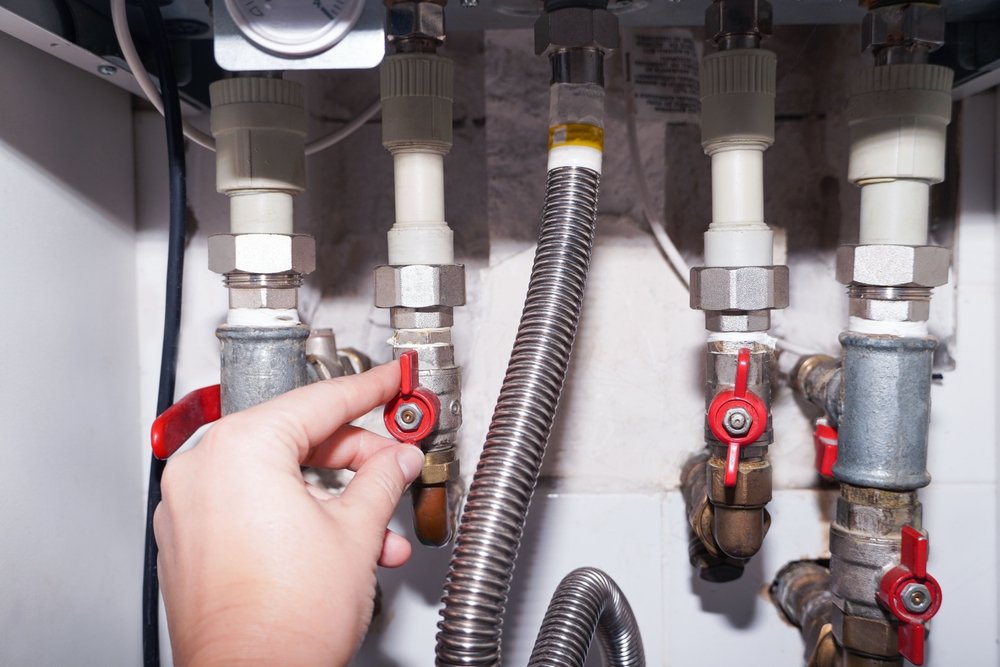
The safety of drinking water within a home depends on more than the source of supply; it is also influenced by the materials used in the plumbing system that delivers water to taps. Pipes, fittings, and connectors can all interact with water in ways that affect its quality over time. While many materials are designed to meet safety standards, differences in composition, age, and installation conditions can impact how water is preserved as it travels through the system. Understanding how plumbing materials influence drinking water safety helps homeowners make informed decisions and maintain confidence in the water they use every day.
How Materials Impact Water Quality
- Metal Pipes and Their Long-Term Effects
Metal pipes have been used for decades in plumbing systems, but their interaction with water varies depending on the metal type and its condition. Materials such as copper and galvanized steel are common, each with its own characteristics. Over time, these pipes may corrode, which can introduce particles or alter the taste and appearance of the water. The rate at which this occurs depends on factors such as water chemistry, temperature, and the age of the system.
Homeowners often consult a local plumbing company in Carlsbad to assess whether older metal pipes are affecting water quality and to determine if updates are needed. While some metal pipes can last for many years, monitoring their condition is important to ensure that water remains safe for consumption. Regular inspections help identify early signs of wear that could impact water quality.
- Plastic Piping and Chemical Interactions
Plastic piping materials, such as PEX and PVC, are widely used in modern plumbing systems due to their flexibility and corrosion resistance. These materials do not rust like metal pipes, helping maintain consistent water quality. However, they may interact with water in different ways, particularly under high temperatures or specific environmental conditions.
The composition of plastic pipes can influence their performance over time. In some cases, trace compounds may leach into the water, especially if the material is not properly certified for potable use. Ensuring that plastic piping meets safety standards is essential for maintaining drinking water quality. Proper installation and material selection play a key role in minimizing potential risks.
- The Role of Pipe Age in Water Safety
The age of plumbing materials is an important factor in determining their impact on drinking water. Older systems may contain materials that are no longer commonly used, and these materials can degrade over time. As pipes age, they may develop cracks, corrosion, or buildup that affects water flow and quality.
Replacing outdated plumbing components can help improve water safety and reduce the likelihood of contamination. Regular maintenance and inspections allow homeowners to identify aging materials before they become a problem. By addressing these issues proactively, it is possible to maintain a reliable and safe water supply.
- Water Chemistry and Material Compatibility
The water’s chemical composition influences its interaction with plumbing materials. Factors such as pH levels, mineral content, and temperature can affect how materials respond over time. Certain conditions may accelerate corrosion or cause materials to break down more quickly.
Understanding this relationship is essential for selecting appropriate plumbing materials. By choosing materials that are compatible with the local water supply, homeowners can reduce the risk of contamination and extend the lifespan of their plumbing system. This consideration helps ensure that water remains safe as it travels through the pipes.
- Joint Connections and Potential Contamination Points
In addition to pipes, the connections between plumbing components can also influence water quality. Joints, fittings, and seals must be properly installed to prevent leaks and maintain a secure system. Poorly constructed connections can create areas where contaminants may enter the water supply.
Ensuring that these connections are properly sealed and maintained is essential for preserving water safety. Over time, joints may weaken or degrade, making regular inspections important. Addressing issues at connection points helps maintain the integrity of the entire plumbing system.
- Impact of Maintenance Practices on Water Quality
Maintenance practices play a significant role in how plumbing materials affect drinking water. Regular cleaning, flushing, and inspection help prevent buildup and identify potential issues early. Neglecting maintenance can lead to the accumulation of debris or corrosion, which may impact water quality.
By maintaining the plumbing system, homeowners can ensure that materials continue to perform as intended. This includes addressing minor issues before they develop into larger problems. Consistent maintenance supports both the longevity of the system and the safety of the water supply.
The Importance of Informed Material Choices
Making informed choices about plumbing materials is essential for maintaining drinking water safety. Understanding how different materials interact with water allows homeowners to select options that align with their needs and conditions. This knowledge helps prevent potential issues and supports long-term system performance.
By staying informed and proactive, homeowners can ensure their plumbing systems continue to deliver safe, reliable water. This awareness contributes to better decision-making and helps maintain confidence in the water supply.
The materials used in a plumbing system play a significant role in determining the safety and quality of drinking water. From metal pipes and plastic components to joints and connections, each element interacts with water in ways that can influence its condition. By understanding these interactions and properly maintaining the system, homeowners can ensure their water remains safe for everyday use. Thoughtful material selection, regular maintenance, and awareness of system conditions all contribute to a reliable plumbing system that supports long-term water safety and peace of mind.