We will explore practical strategies to ensure that your HVAC system continues to function efficiently for many years. Heating and cooling systems are significant investments for any home, and their performance directly impacts indoor comfort, energy consumption, and air quality. Regular repair and maintenance are not merely preventative measures—they are essential practices that can prevent small issues from turning into costly problems. By adopting a consistent maintenance routine, homeowners can preserve the longevity of their HVAC units, optimize energy efficiency, and avoid unexpected breakdowns. Understanding the components that require attention and how to address them proactively is crucial for maintaining a reliable system.
Understanding Your HVAC System and Its Needs
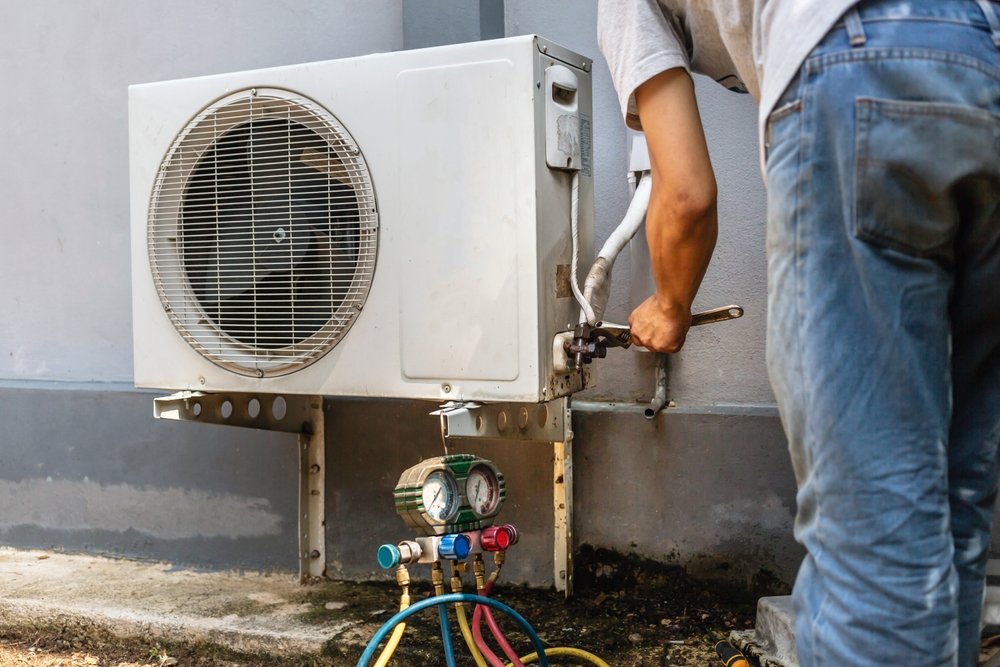
An HVAC system consists of multiple components, including furnaces, air conditioners, heat pumps, ductwork, and filtration systems, all of which work together to regulate indoor temperature and air quality. Each component has unique maintenance requirements that, if neglected, can reduce the system’s overall lifespan. For instance, air filters must be replaced regularly to prevent dust and debris from accumulating and impeding airflow, while ductwork should be inspected to ensure there are no leaks or blockages. Understanding how these elements interact allows homeowners to identify minor inefficiencies early. Routine inspections and timely service from professionals offering Elk Grove HVAC Repair help detect worn-out belts, refrigerant leaks, or failing motors, which, if left unchecked, could compromise the system’s performance and lead to larger repairs.
The Importance of Regular Inspections and Tune-Ups
Scheduling periodic inspections and tune-ups is one of the most effective ways to extend the life of an HVAC system. During a professional inspection, technicians examine the mechanical and electrical components, clean essential parts, and test the system under operating conditions. This process identifies potential issues before they escalate, such as uneven wear on moving parts or electrical connections that may pose safety risks. Additionally, tune-ups often include lubricating moving components, tightening loose fittings, and calibrating thermostats to ensure accurate temperature control. By addressing these details routinely, homeowners can avoid energy inefficiency and reduce the likelihood of unexpected malfunctions, keeping the system operating smoothly and maintaining a consistent indoor climate.
Cleaning and Maintaining Key Components
Regular cleaning of key HVAC components is crucial for maintaining system efficiency and extending its operational lifespan. Air filters, for instance, trap dust, pollen, and other airborne particles, and clogged filters can strain the system and reduce airflow. Cleaning condenser and evaporator coils is equally important because accumulated dirt can impair heat transfer, forcing the system to work harder and consume more energy. Drain lines should also be cleared to prevent water damage and mold growth, which can compromise indoor air quality and harm system components. By maintaining these parts through scheduled cleaning and minor repairs, homeowners can significantly reduce wear and tear, prevent costly breakdowns, and ensure that the HVAC system continues to provide reliable heating and cooling throughout the year.
Proactive Repairs and Component Replacement
Addressing minor repairs promptly is essential for preventing small problems from escalating into major system failures. Whether it is replacing a worn-out belt, fixing a refrigerant leak, or repairing an electrical connection, proactive repairs minimize the stress on other components and help maintain optimal performance. Additionally, some parts may require replacement over time due to natural wear or obsolescence. Timely replacement of components such as thermostats, filters, and motors can prevent system strain and maintain efficiency. By integrating proactive repairs and strategic component replacements into the regular maintenance schedule, homeowners can preserve the HVAC system’s overall integrity, reduce downtime, and avoid the expense of a premature full system replacement.
Energy Efficiency and Cost Savings
Routine maintenance and repairs not only extend the system’s lifespan but also enhance energy efficiency and reduce operational costs. A well-maintained HVAC system operates with less strain, consuming less energy to achieve the desired temperature. For example, clean coils, lubricated motors, and unobstructed airflow allow the system to function smoothly without overworking. This efficiency translates into lower energy bills and a reduced environmental footprint for the home. Additionally, by catching issues early and performing minor repairs promptly, homeowners can avoid the higher costs associated with emergency service calls or extensive repairs. Maintaining energy efficiency is integral to preserving the system, offering both financial and environmental benefits while ensuring long-term reliability.
Implementing a Routine Maintenance Schedule
Creating and following a routine maintenance schedule is key to extending the life of an HVAC system. Homeowners should establish regular intervals for inspecting, cleaning, and servicing components, either seasonally or annually, depending on the system and local climate. Keeping detailed records of all maintenance activities helps track system performance over time, identify recurring issues, and plan for necessary repairs or replacements. Combining professional inspections with homeowner-conducted tasks, such as changing filters and clearing debris around outdoor units, ensures a comprehensive approach to upkeep. A structured maintenance plan not only prolongs the system’s operational life but also provides peace of mind, knowing that potential problems are being monitored and addressed before they impact comfort or efficiency.
By understanding the system’s components, scheduling regular inspections, cleaning essential parts, and addressing repairs proactively, homeowners can protect their investment and maintain consistent indoor comfort. Maintaining energy efficiency through routine upkeep not only saves money but also reduces environmental impact. Implementing a structured maintenance schedule ensures that small issues do not escalate into major failures, providing reliability and peace of mind. Consistent attention to HVAC maintenance ultimately allows the system to perform optimally, delivering years of dependable heating and cooling for a comfortable and healthy home.