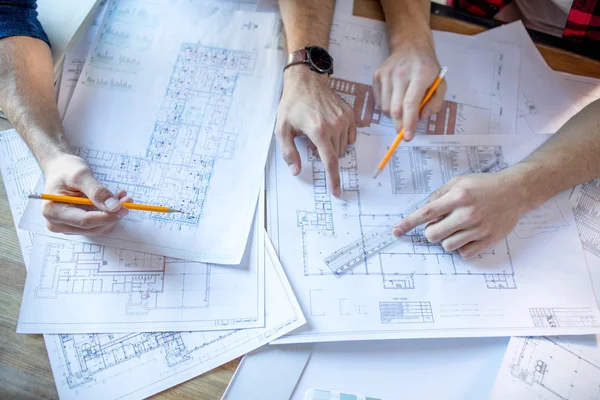
The project execution phase is the critical stage where construction plans transition from concept to physical reality. While the planning stage involves developing blueprints, securing permits, and organizing schedules, execution is when work truly begins on-site, turning drawings into tangible structures. We will explore what homeowners and clients can expect during this phase, highlighting key steps, the coordination required, and how challenges are managed to keep projects on track. Understanding this process helps homeowners gain insight into the work involved, how progress is monitored, and what considerations ensure a successful outcome. From mobilizing materials to maintaining quality and compliance, execution represents the stage where foresight, planning, and teamwork come together to create lasting results. Knowing what occurs during this phase allows stakeholders to participate confidently and make informed decisions.
Mobilization and Initial Setup
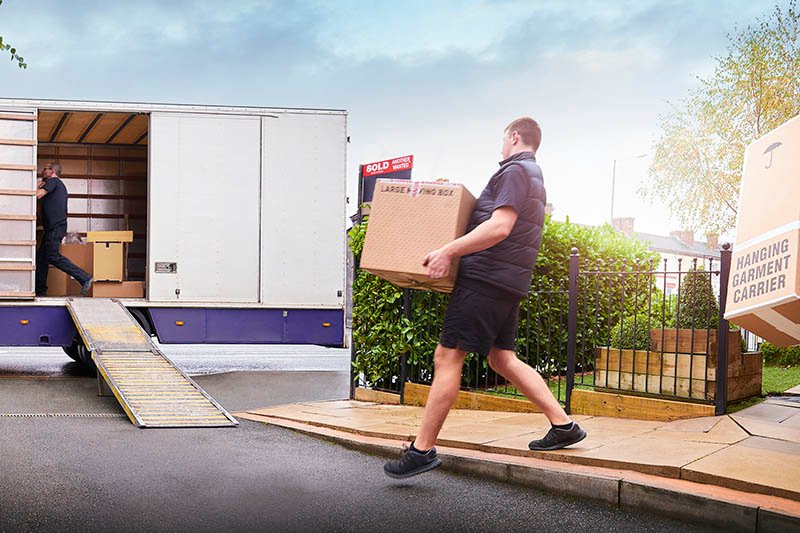
Every construction project begins with mobilization, a phase focused on preparing the site and assembling necessary resources. Benton Builders coordinates the process by bringing together labor teams, equipment, and materials, setting up temporary facilities such as storage areas, offices, and safety stations to streamline workflow. Site preparation includes activities such as clearing land, grading, and reinforcing existing structures when necessary, ensuring a solid foundation for construction. Attention to these early tasks is critical, as inadequate preparation can lead to delays and inefficiencies later.
Mobilization also involves verifying materials against project specifications, confirming delivery schedules, and establishing safety protocols to protect workers and the site. Communication during this stage is vital, with project managers coordinating with subcontractors and suppliers to align expectations. A well-organized setup ensures that subsequent work proceeds efficiently, reduces the risk of errors, and sets the tone for a smooth execution phase. Proper mobilization creates the conditions necessary for construction activities to progress on schedule and within budget.
Coordinating Teams and Resources
Execution relies heavily on effective coordination among diverse teams contributing to the project. From carpenters and electricians to plumbers, HVAC professionals, and masonry workers, each tradesperson performs specialized tasks that must align with the broader schedule. Proper sequencing ensures that work does not conflict—for example, plumbing and electrical installations must be completed before drywall is installed. Deliveries of materials are carefully timed to match workflow needs, preventing congestion or idle labor while ensuring timely availability of supplies.
Communication among project managers, site supervisors, and clients allows adjustments to be made for unexpected changes or site conditions. Regular status updates and progress reports help teams identify potential issues before they escalate, maintaining continuity and efficiency. Strategic allocation of labor and resources ensures that each task contributes to the overall timeline, minimizing downtime and maintaining project momentum. By carefully coordinating personnel, equipment, and materials, construction teams can achieve higher productivity and ensure that each phase of the project aligns with the intended design.
Quality Assurance and Compliance
Maintaining high standards of quality and compliance is a central component of project execution. Contractors conduct frequent inspections and checks to ensure work adheres to architectural plans and meets local building codes. Material quality is verified upon arrival, and installation practices are closely monitored to prevent defects. Compliance extends to all regulatory requirements, including safety protocols, environmental guidelines, and permits, which must be consistently followed to avoid delays or penalties. Detailed documentation is maintained, providing a record of inspections and approvals that can support future maintenance or audits.
Quality assurance during execution prevents rework, reduces waste, and ensures the longevity of the structure. For homeowners, it offers peace of mind, knowing that each aspect of construction is completed correctly and safely. By integrating quality control into every step, the project not only meets design specifications but also achieves the reliability and durability required for a functional and enduring final product.
Monitoring Progress and Managing Challenges
The execution phase is dynamic, and unexpected challenges are common. Weather changes, supply chain delays, and unforeseen site conditions can all impact progress. Continuous monitoring, including site visits, progress reports, and project management software, allows early identification of deviations from the plan. Risk management strategies, such as contingency planning, budget buffers, and flexible schedules, help teams respond effectively to setbacks.
Quick decision-making ensures that adjustments maintain the project’s overall timeline without compromising quality or safety. Leaders on the site must balance speed with precision, implementing solutions that address problems without undermining structural integrity or design intent. By actively managing challenges, teams transform potential disruptions into manageable tasks, allowing the project to continue moving forward. This vigilance ensures that the project remains aligned with the client’s expectations while adhering to financial and scheduling constraints.
Communication and Client Engagement
A successful execution phase also relies on transparent communication with the client. Regular updates about progress, potential delays, and decisions requiring approval help maintain trust and align expectations. Site walkthroughs, photographs, and status reports allow clients to observe the work firsthand and provide feedback as needed. Open dialogue reduces misunderstandings and ensures that any changes to scope, design, or materials are clearly documented and approved. Effective communication not only strengthens the relationship between homeowners and contractors but also enables homeowners to participate meaningfully, making informed decisions that affect the outcome. Clear engagement fosters accountability, ensuring the project adheres to the agreed-upon plan while accommodating reasonable adjustments in response to evolving needs or unforeseen circumstances.
Safety and Environmental Considerations
Safety is a continuous focus during project execution. Construction sites contain numerous hazards, from heavy equipment and electrical installations to elevated work surfaces. Implementing comprehensive safety protocols, providing protective equipment, and conducting regular training sessions are essential to preventing accidents. Environmental considerations are also integrated into execution, with measures such as proper waste disposal, minimizing site disruption, and using materials that align with sustainability goals. Managing these factors ensures compliance with legal requirements while promoting responsible construction practices. Homeowners benefit from knowing that the project is carried out with care for both the workers and the surrounding environment, contributing to a secure and sustainable construction process.
Project execution transforms plans and designs into a tangible structure, requiring careful mobilization, team coordination, quality control, risk management, and client engagement. Every stage of execution is interconnected, and success depends on the effective management of resources, timelines, and challenges. By understanding what occurs during this phase, homeowners and clients gain insight into the level of planning and oversight involved, which helps ensure confidence in the construction process.
Execution is where a project truly comes to life, demonstrating how careful preparation, consistent communication, and proactive management work together to produce a completed structure that meets expectations, maintains safety standards, and endures for years to come. With deliberate planning and attention to detail, the journey from blueprint to reality becomes a smooth and rewarding process, culminating in a finished project that fulfills its intended purpose and vision.