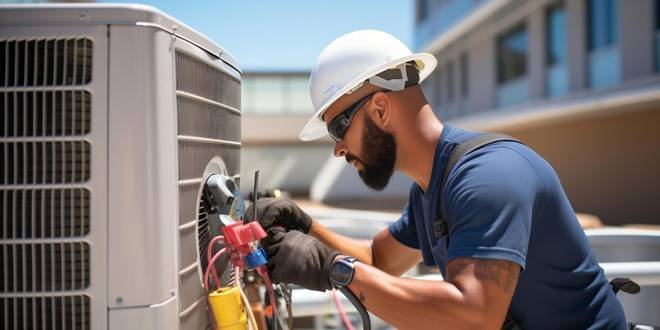
Air conditioning systems often seem reliable until the moment they abruptly stop working, leaving homeowners frustrated and uncomfortable. These sudden failures rarely occur without warning; instead, they are typically the result of underlying issues that develop quietly over time. We will explore how overlooked mechanical, environmental, and operational factors contribute to these unexpected breakdowns. By understanding what happens behind the scenes, it becomes easier to recognize early warning signs and maintain system stability. Rather than focusing only on obvious malfunctions, this discussion highlights less visible causes that gradually weaken performance and eventually lead to complete system shutdown.
Undetected Electrical Irregularities Within the System
Electrical inconsistencies are one of the most underestimated contributors to sudden air conditioning failure. While a unit may appear to function normally, internal electrical components such as capacitors, relays, and wiring connections may degrade over time due to heat exposure, voltage fluctuations, or simple wear. Loose or corroded wiring can disrupt the flow of electricity, causing intermittent operation that goes unnoticed until a complete failure occurs.
Additionally, power surges—often triggered by storms or grid instability, particularly in regions like Las Vegas, NV can damage sensitive components without immediately shutting down the system. These hidden disruptions gradually compromise efficiency and place strain on other parts, particularly the compressor. Over time, this strain accumulates and leads to a sudden breakdown that feels unexpected. Regular inspection of electrical pathways, along with surge protection measures, can reduce the likelihood of such issues. However, because these irregularities often develop internally, they remain difficult to detect without careful observation and routine evaluation of system performance.
Airflow Restrictions That Gradually Disrupt Performance
Restricted airflow is another subtle yet significant factor that contributes to abrupt system failure. Air conditioning systems rely on consistent air movement to regulate temperature and maintain internal balance. When airflow becomes obstructed—due to clogged filters, blocked vents, or debris accumulation in ductwork—the system must work harder to achieve the desired cooling effect. This increased workload places stress on key components, particularly the blower motor and evaporator coil. Over time, reduced airflow can also cause the evaporator coil to freeze, leading to inefficient cooling and eventual shutdown. What makes this issue particularly challenging is its gradual nature; the system may continue operating under strain for an extended period before failing suddenly.
Homeowners often overlook minor signs such as uneven cooling or slightly reduced airflow, not realizing that these symptoms indicate a deeper problem. Maintaining clear airflow pathways and replacing filters regularly can help prevent pressure buildup within the system, reducing the risk of unexpected breakdowns.
Refrigerant Imbalances and Their Long-Term Impact
Refrigerant plays a critical role in the cooling process, yet imbalances in its levels often go unnoticed until the system stops functioning properly. Low refrigerant levels are commonly caused by leaks, which may be small and difficult to detect initially. As refrigerant gradually escapes, the system loses its ability to absorb and release heat efficiently. This forces the compressor to operate under increased strain as it attempts to compensate for the reduced cooling capacity. Over time, this added pressure can lead to overheating and eventual compressor failure—one of the most significant and disruptive breakdowns an air conditioning system can experience.
On the other hand, excessive refrigerant can also create problems by increasing internal pressure and reducing efficiency. These imbalances disrupt the delicate equilibrium required for proper operation. Because refrigerant issues often develop slowly, they can remain hidden until the system reaches a tipping point. Monitoring cooling performance and addressing even minor inconsistencies early can help prevent long-term damage and sudden system failure.
Environmental and Usage Patterns That Accelerate Wear
External conditions and daily usage habits also play a crucial role in the longevity of an air conditioning system. Units installed in environments with high dust levels, humidity, or extreme temperatures are more prone to accelerated wear. Dust and debris can accumulate on coils and internal components, reducing heat exchange efficiency and forcing the system to work harder. Similarly, continuous operation without adequate downtime can lead to overheating and component fatigue.
Many users unknowingly contribute to system stress by setting extremely low temperatures or frequently adjusting thermostat settings, causing the system to cycle on and off more often than intended. These patterns create repeated strain on mechanical and electrical components, gradually weakening their functionality. Additionally, outdoor units exposed to direct sunlight or poor ventilation may struggle to dissipate heat effectively, further compounding the problem. Over time, these environmental and behavioral factors combine to create conditions that lead to sudden breakdowns, even if the system initially appears to be functioning normally.
Air conditioning breakdowns rarely occur without a chain of contributing factors building up over time. Electrical inconsistencies, airflow restrictions, refrigerant imbalances, and environmental pressures all interact to gradually weaken system performance. Understanding these hidden causes allows homeowners to take a more proactive approach to maintenance and system care. Rather than reacting to sudden failures, recognizing early warning signs and addressing underlying issues can extend the unit’s lifespan and improve overall reliability. By paying attention to subtle changes in performance and maintaining consistent upkeep, it becomes possible to reduce the likelihood of unexpected disruptions and ensure a more dependable cooling experience throughout the year.