Introduction
Lyzel Williams is a name that continues to surface in music history discussions, online searches, and cultural retrospectives, despite his deliberate distance from public life. His recognition does not stem from chart-topping albums, film roles, or media appearances, but from a deeply personal connection that became immortalized in art. Known primarily as the former husband of Jill Scott, Lyzel Williams occupies a unique place in contemporary cultural memory: a private creative professional whose name became inseparable from one of neo-soul’s most emotionally resonant songs.
This article presents a complete, factual, and carefully contextualized account of Lyzel Williams’ life and career. It focuses on what is verifiably known, avoids speculation, and explains why his name remains relevant decades after his brief period of public association. The story of Lyzel Williams is not about celebrity ambition, but about creativity, intimacy, and the unintended permanence of being part of a cultural moment.
Early Life and Personal Background
Public documentation of Lyzel Williams’ early life is intentionally sparse. Unlike entertainers or public officials, he has never presented his personal history for public consumption. There are no widely available records detailing his childhood, family background, or formal education, and this absence is consistent across reputable sources. Rather than being an oversight, this reflects a clear pattern: Lyzel Williams has always existed outside the machinery of fame.
What can be responsibly inferred from reliable biographical references is that Lyzel Williams developed within creative and artistic environments. His later professional identity as a graphic artist and DJ suggests early exposure to visual culture, music, and creative experimentation. These disciplines require not only technical skill but also a deep engagement with aesthetic trends and community-based creative spaces, particularly in urban cultural centers of the late 1990s.
His background aligns with a generation of creatives who worked behind the scenes, contributing to culture without seeking recognition as public personalities. This foundation would later shape both his professional life and his personal relationships.
Professional Life and Creative Career
Lyzel Williams is consistently identified in credible sources as a graphic artist and DJ. These roles form the core of his professional identity and provide essential context for understanding his place within music culture.
As a graphic artist, Lyzel Williams worked within the visual dimension of creativity. Graphic artists play a critical role in shaping how cultural products are perceived, from album artwork and promotional materials to brand identity and visual storytelling. During the late 1990s and early 2000s, visual design was central to music culture, particularly before digital streaming diminished the importance of physical media. Album covers, typography, posters, and promotional visuals were often the first point of connection between an artist and an audience.
Although specific projects attributed to Lyzel Williams are not publicly cataloged in detail, his identification as a graphic artist situates him within this essential creative ecosystem. His work would have required a strong understanding of cultural symbolism, audience perception, and artistic coherence.
His role as a DJ further reinforces his immersion in music culture. DJs are not passive participants in the music world; they are selectors, curators, and tastemakers. They introduce sounds to audiences, shape social spaces, and often serve as connective tissue between artists, scenes, and listeners. Being a DJ places Lyzel Williams within the lived experience of music rather than on its commercial surface.
Together, these creative roles explain why his life intersected naturally with that of a musician. His professional identity was not adjacent to music culture through association alone; it was rooted in active creative participation.
Relationship with Jill Scott and Entry into Public Awareness
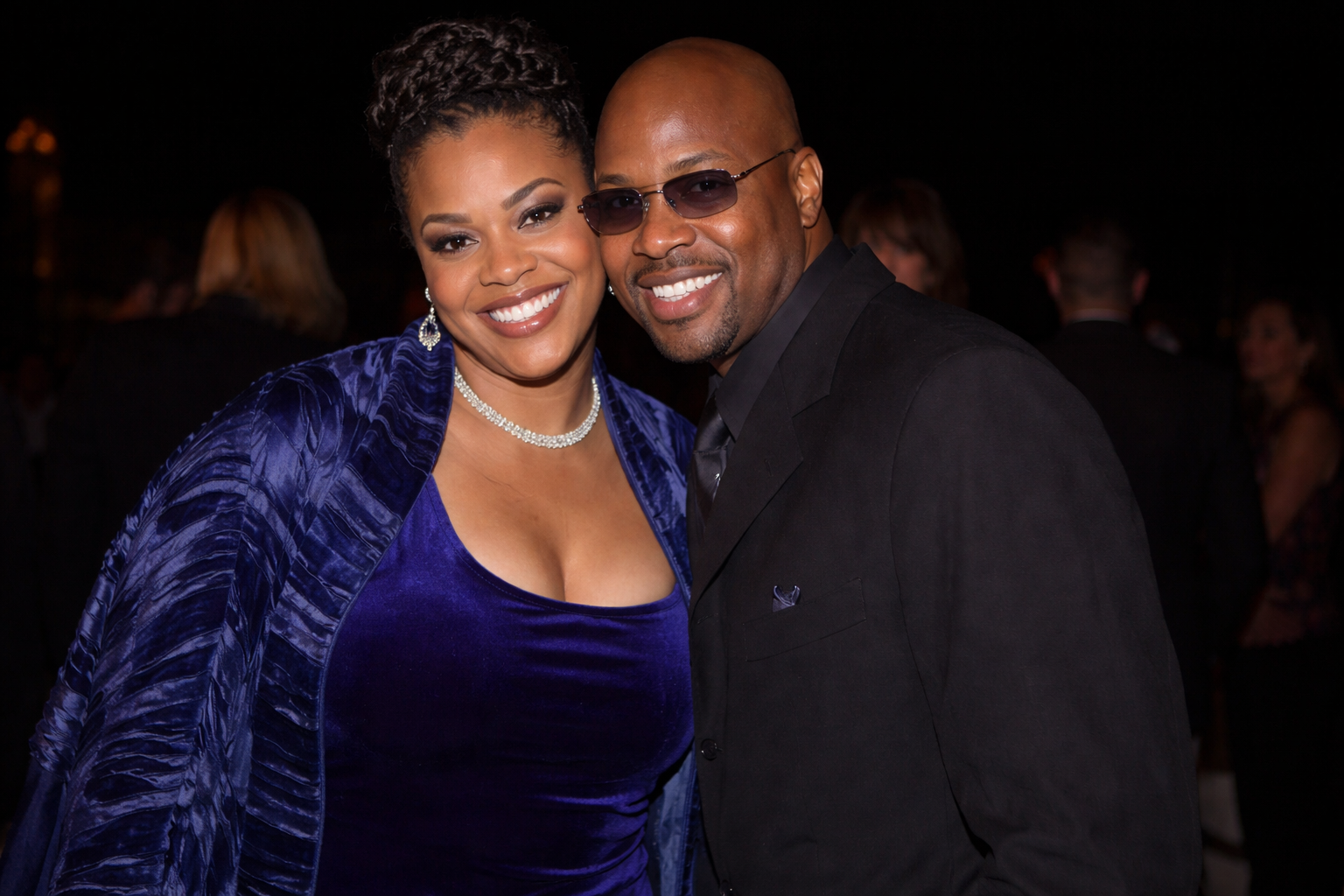
Lyzel Williams entered public awareness through his long-term relationship with Jill Scott during the formative years of her career. Scott emerged in the late 1990s and early 2000s as one of the defining voices of neo-soul, a genre celebrated for emotional authenticity, poetic lyricism, and grounded storytelling.
The relationship between Lyzel Williams and Jill Scott developed before her ascent to global recognition. They married in 2001 in a private ceremony in Hawaii, at a time when Scott’s debut album had already begun to reshape contemporary R&B and soul music. Their marriage lasted six years, ending in divorce in 2007.
What distinguishes Lyzel Williams’ public recognition from that of many spouses of celebrities is the manner in which it occurred. He did not become visible through red carpets, interviews, or publicity campaigns. Instead, his name entered public consciousness through music itself.
The Song That Defined His Public Identity
The most enduring reason Lyzel Williams remains publicly known is the song “He Loves Me (Lyzel in E Flat)”, written and performed by Jill Scott. The song explicitly names Lyzel Williams as its inspiration, an uncommon choice that transformed a private relationship into a permanent cultural artifact.
By placing his name directly in the title, the song eliminated anonymity. It signaled to listeners that the emotions expressed were not abstract or fictional, but grounded in lived experience. This decision resonated strongly with audiences, reinforcing neo-soul’s reputation for honesty and emotional transparency.
The song has endured as one of Jill Scott’s most celebrated works, performed repeatedly over the years and referenced as a defining example of her early artistry. As a result, Lyzel Williams’ name has remained embedded in music history, independent of any further public action on his part.
Importantly, this recognition is symbolic rather than performative. Lyzel Williams did not capitalize on the song’s popularity, nor did he attempt to shape a public persona around it. His presence in the song functions as a testament to a moment in time rather than an ongoing narrative.
Marriage, Divorce, and Respecting Personal Boundaries
The marriage between Lyzel Williams and Jill Scott ended in 2007. Scott has spoken publicly about the emotional difficulties surrounding the end of the relationship, offering personal reflections in interviews years later. These accounts provide insight into her experience but do not constitute a complete or objective record of the marriage itself.
Lyzel Williams has never publicly responded to or expanded upon these discussions. His silence has been consistent and deliberate, reinforcing the pattern of privacy that defines his biography. From a factual standpoint, the only confirmed elements are the dates of the marriage and divorce and the acknowledgment that the relationship ended.
This restraint matters. In an age where personal narratives are often contested publicly, Lyzel Williams chose not to participate in post-relationship storytelling. His biography therefore remains focused on verifiable facts rather than interpretation or controversy.
Life Beyond the Spotlight
Following the divorce, Lyzel Williams largely disappeared from public discourse. There are no verified interviews, media appearances, or personal branding efforts associated with his name. This absence does not suggest inactivity or retreat from creative life; rather, it indicates a continued commitment to privacy.
Many individuals connected to celebrity culture choose to leverage that proximity for influence or visibility. Lyzel Williams did not. His life after public recognition appears to have continued along the same path it followed before: creative work without public exhibition.
This continuity is a defining feature of his biography. Public recognition did not alter his trajectory, nor did it redefine his identity. He remained a creative professional first and a public reference second.
Cultural Meaning and Lasting Relevance
The enduring interest in Lyzel Williams speaks less to his personal actions and more to what he represents culturally. He embodies a specific type of figure in music history: the real person behind an iconic artistic expression.
His name evokes themes of intimacy, authenticity, and the blurred boundary between art and life. For listeners revisiting neo-soul’s foundational era, Lyzel Williams symbolizes the genre’s commitment to emotional truth. He is remembered not for spectacle, but for presence.
This kind of cultural relevance is subtle yet powerful. It does not rely on continuous exposure or narrative expansion. Instead, it persists because it is anchored to art that continues to resonate.
Conclusion
Lyzel Williams’ life and career illustrate how public recognition can occur without public ambition. As a graphic artist and DJ, he built his identity within creative spaces rather than media platforms. His marriage to Jill Scott placed him momentarily within the public eye, and a song bearing his name ensured that moment would endure.
In a cultural landscape often dominated by constant self-disclosure, Lyzel Williams represents an alternative narrative: that significance can exist without visibility, and that a life can be remembered not for noise, but for meaning.