
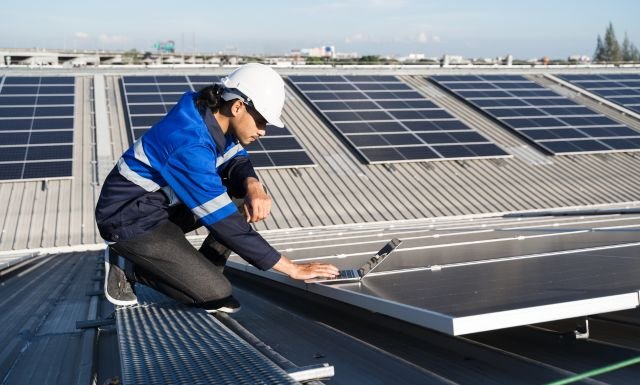
Transitioning to solar energy is more than an environmentally conscious decision—it is a financial strategy that can profoundly impact long-term savings. Every home and business has unique energy needs, usage patterns, and structural characteristics that influence how effectively solar panels convert sunlight into usable power. By conducting a personalized solar assessment, property owners can receive tailored recommendations that align closely with their energy goals and budget considerations. These evaluations examine factors such as roof orientation, shading, historical energy consumption, and potential future energy additions. We will explore how personalized assessments enable efficient system design, prevent unnecessary expenditures, and optimize savings over the lifetime of the solar installation, providing homeowners and businesses with a clear path to energy independence while significantly reducing utility costs.
Understanding Your Energy Footprint for Effective Solar Design
A critical first step in maximizing solar savings is understanding a property’s current energy footprint. Personalized solar assessments begin with a thorough analysis of past energy consumption, often spanning several years, to determine peak usage times and seasonal fluctuations. This insight allows solar designers to right-size the system, ensuring it generates sufficient electricity without overproducing power that cannot be utilized efficiently. Overproduction can be costly, especially under policies such as net energy metering, where returns on excess energy may be limited.
Evaluating household habits, appliance efficiency, and potential future changes, such as electric vehicle adoption or home expansions, ensures that the solar system remains effective and adaptable for Pleasanton residents. By closely matching energy generation to actual consumption, homeowners avoid overspending on unnecessary panels, reduce waste, and establish a foundation for consistent long-term savings, ultimately achieving a system that delivers financial and environmental benefits simultaneously.
Tailoring Solar Solutions to Roof and Site Conditions
Every property presents unique challenges and opportunities for solar installation. Factors like roof angle, material, shading from nearby trees or structures, and available roof space play a pivotal role in determining system efficiency. Personalized assessments evaluate these variables in detail and recommend the optimal placement and configuration of panels to maximize sunlight exposure. For properties with limited roof space, ground-mounted systems or hybrid solutions can be considered to ensure energy needs are met without compromising performance.
Additionally, assessments account for local weather patterns and seasonal sun angles, which influence the potential for energy generation. By addressing these site-specific considerations during the planning stage, homeowners can reduce future maintenance issues, enhance energy output, and prevent costly retrofits. Investing time upfront in a personalized evaluation ensures that the solar system delivers predictable performance and savings over its operational lifespan.
Optimizing Financial Returns Through Incentives and Financing
Long-term savings are not solely derived from energy production; financial strategies play an equally important role. Personalized solar assessments often include a review of available incentives, rebates, and tax credits that vary by region and utility provider. Understanding local policies, such as interconnection requirements and net metering rates, allows property owners to maximize returns on their investment. Moreover, tailored assessments can help determine the most suitable financing options, including solar loans, leases, or power purchase agreements, aligning payment structures with projected energy savings.
By integrating these financial elements into the system design, homeowners can reduce upfront costs, improve cash flow, and achieve faster payback periods. The combination of carefully selected equipment, optimized placement, and informed financial planning ensures that the solar installation contributes meaningfully to long-term economic stability while providing clean, renewable energy.
Adapting to Future Energy Needs and Technology
Personalized solar assessments also consider the evolving nature of energy consumption and technology. Homes and businesses may increase electricity demand over time due to new appliances, electric vehicles, or expanded facilities. Assessments can anticipate these changes, designing systems with scalability in mind to accommodate future growth without requiring extensive modifications. Additionally, emerging technologies, such as energy storage batteries and smart home integration, can be incorporated into the design to enhance self-sufficiency and further reduce utility expenses. By planning for adaptability, property owners ensure that their solar system remains relevant and financially beneficial in the long term. A well-conceived assessment prevents obsolescence and enables seamless integration of advancements, reinforcing the value of personalized planning and supporting sustained savings over decades of operation.
Personalized solar assessments are fundamental to achieving meaningful long-term savings. By analyzing energy usage patterns, evaluating site-specific conditions, and integrating financial strategies and future energy needs, these assessments guide homeowners and businesses toward optimal system design. This thoughtful approach prevents unnecessary expenditures, maximizes energy production, and enhances financial returns, providing a sustainable pathway to energy independence. Emphasizing personalized planning transforms solar energy from a simple installation into a long-term, strategic asset for economic and environmental sustainability.